
Why Exercise That Can Help You Lose Weight Matters
Effective exercise that can help you lose weight is about creating lasting change, not just burning calories. The best exercises for weight loss—walking, running, cycling, HIIT, strength training, swimming, yoga, and Pilates—all help you create the calorie deficit needed to shed pounds.
Here are the top 8 exercises that can help you lose weight:
- Walking – Burns 7.6 calories per minute for a 140 lb person
- Jogging/Running – Burns 10.8-13.2 calories per minute
- Cycling – Burns 6.4 calories per minute at moderate pace
- HIIT – Burns 25-30% more calories than other exercises
- Strength Training – Increases metabolic rate by 7.4% on average
- Swimming – Burns 9 calories per minute at moderate pace
- Yoga – Reduces waist circumference by 1.5 inches (in studies)
- Pilates – Burns 108-168 calories per 30-minute session
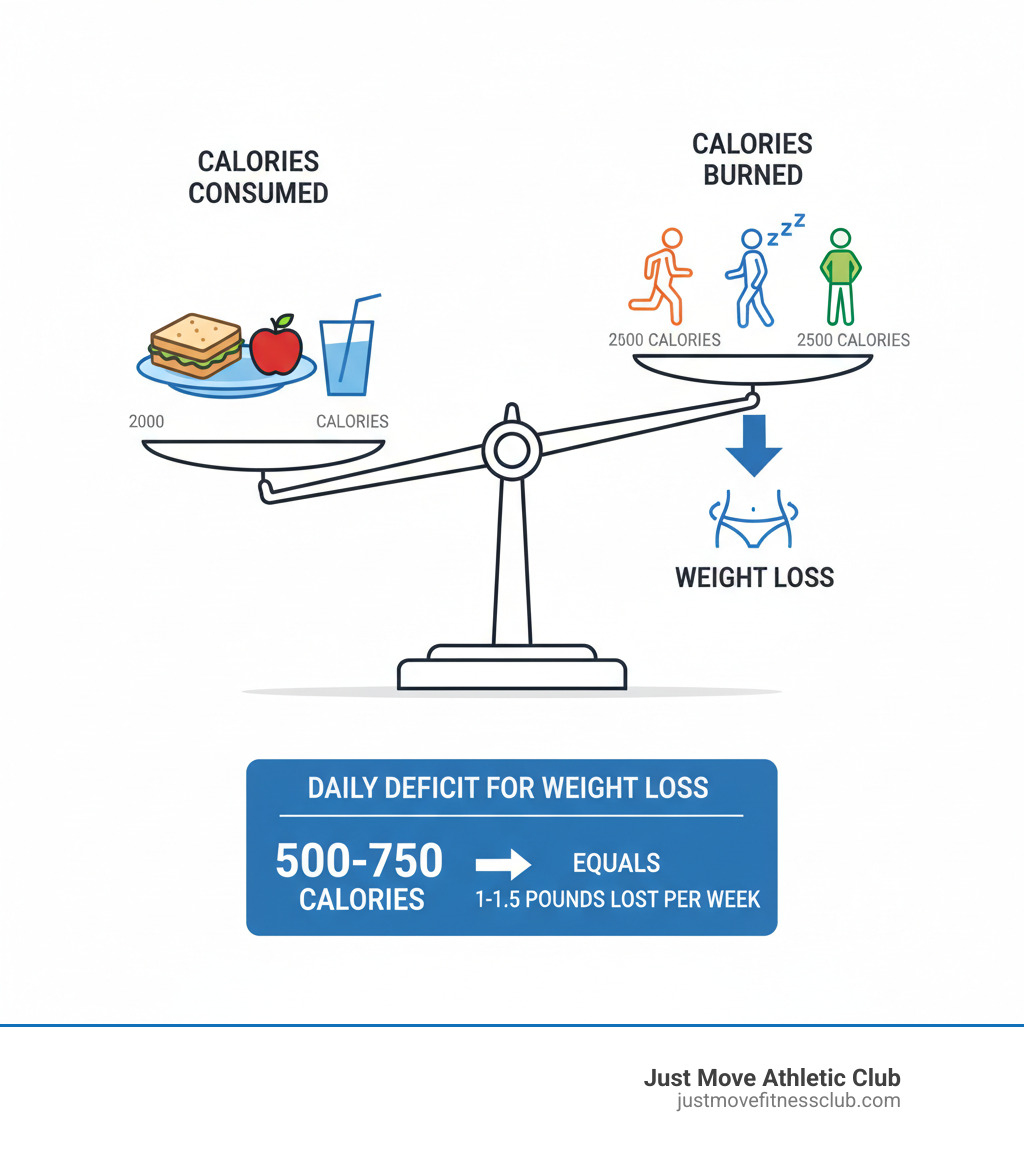
Weight loss is simple: burn more calories than you eat. The 2020-2025 Dietary Guidelines for Americans suggest a 500-750 calorie daily deficit to lose up to 1.5 pounds per week. Exercise helps you reach that deficit, build muscle, and boost your metabolism.
Exercise’s benefits extend beyond the workout. Strength training, for instance, builds muscle that increases your metabolism, causing your body to burn more calories 24/7, even at rest.
The main challenge isn’t knowing what to do, but staying motivated, finding time, and ensuring safety and effectiveness.
I’m Pleasant Lewis, founder of Just Move Athletic Clubs. With over 40 years in fitness, I’ve helped thousands build sustainable habits. The key is finding exercises you enjoy and can maintain long-term, whether you’re a beginner or breaking a plateau.
The Foundation: Understanding Exercise and Weight Loss
When it comes to diet versus exercise for weight loss, both matter, but they play different roles. To lose initial pounds, diet is key. Creating a calorie deficit by cutting 500-750 calories daily is the standard for losing 1 to 1.5 pounds per week.
But exercise that can help you lose weight is your secret weapon for long-term weight maintenance. Research shows physical activity is crucial for keeping weight off. Dieting alone can cause muscle and bone density loss, slowing your metabolism. Exercise helps preserve lean muscle while you shed fat, which is the ideal outcome.
So how much should you move? The U.S. Department of Health and Human Services recommends at least 150 minutes of moderate aerobic activity or 75 minutes of vigorous activity per week for most adults. You can also do a combination of both.
Don’t forget strength training. Aim to work all major muscle groups at least twice a week. One set of 12-15 reps with a challenging weight is often enough to build metabolism-boosting muscle.
For even better results, aim for 300+ minutes of moderate or 150+ minutes of vigorous activity weekly. All movement counts, including daily activities like cleaning, gardening, or taking the stairs.
The magic happens when you combine smart eating with consistent movement. For more on this, see the CDC’s guide on Physical Activity and Your Weight and Health. To pair your workouts with effective nutrition, explore our guide on Diet Programs for Weight Loss.
The bottom line: diet and exercise are an unstoppable team for building a strong, healthy body.
The 8 Best Exercises That Can Help You Lose Weight
Ready to get moving? Let’s explore eight science-backed exercises that can help you lose weight, each offering unique benefits for your body and your goals.
1. Walking: The Accessible Starting Point
Don’t underestimate walking. It’s one of the most accessible and effective exercises that can help you lose weight, requiring no special equipment. A 140-pound person burns about 7.6 calories per minute, while a 180-pound person burns 9.7. A 12-week study of women with obesity found that walking 50–70 minutes three times per week reduced body fat by 1.5% and waist circumference by 1.1 inches. It’s a fantastic foundation for building confidence and stamina.

2. Jogging and Running: The Calorie-Burning Powerhouses
Jogging (4–6 mph) and running (>6 mph) are powerful allies for weight loss. A 140-pound person burns roughly 10.8 calories per minute jogging and 13.2 running. These activities are especially effective at targeting visceral fat—the harmful belly fat linked to heart disease and diabetes. By running, you’re not just slimming your waistline; you’re actively improving your long-term health. For other ideas, check out our article on Cardio Isn’t Just Treadmills: Fun Ways to Get Your Heart Pumping.
3. Cycling: A Low-Impact Cardio Option
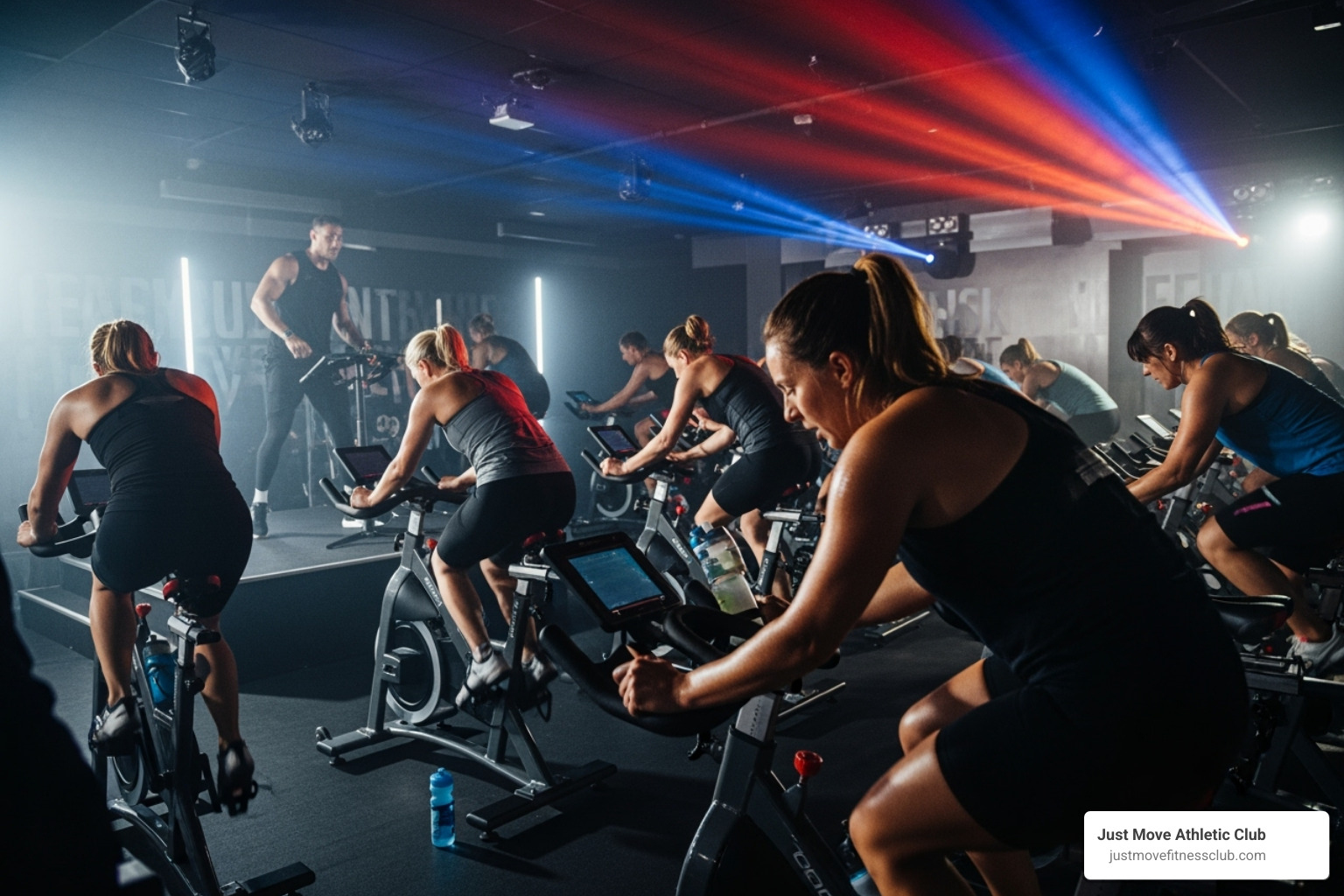
Cycling offers serious weight loss results without the high impact of running. A 140-pound person cycling at a moderate pace burns about 6.4 calories per minute. Regular cycling also improves insulin sensitivity and reduces your risk of heart disease. At Just Move Athletic Club, our High Intensity Cycling and Spin Class Workout sessions provide an energetic atmosphere to burn calories and have fun.
4. High-Intensity Interval Training (HIIT): Maximum Results in Minimum Time
HIIT is perfect if you’re short on time. It involves short bursts of all-out effort followed by brief recovery periods. Research shows HIIT burns 25–30% more calories per minute than other forms of cardio and weight training. HIIT also creates an “afterburn effect” (EPOC), where your body continues to burn calories for hours post-workout. Plus, numerous studies show HIIT is effective for belly fat, making it a winning formula for weight loss.
5. Strength Training: Build Muscle to Burn More Fat
Strength training is crucial for long-term weight loss because it changes how your body burns calories 24/7. Building muscle increases your resting metabolic rate (RMR), meaning you burn more calories even at rest. One study found that 11 minutes of strength-based exercises 3x/week led to a 7.4% increase in metabolic rate—an extra 125 calories burned daily. Another showed 24 weeks of weight training boosted metabolism by 9% in men and 4% in women. Our Pump Class Gym and Sculpt and Tone Class make it accessible and fun. It also improves your functional fitness, as explained in The Importance of Functional Training in Everyday Life.

6. Swimming: A Full-Body, Joint-Friendly Workout
Swimming is a joint-friendly, full-body exercise that can help you lose weight. The water’s buoyancy supports your body, making it ideal for those with joint pain. It engages nearly every muscle group at once. A 140-pound person burns about 9 calories per minute. A 12-week study found that swimming 60 minutes 3x/week significantly reduced body fat, improved flexibility, and lowered heart disease risk factors.
7. Yoga: Mindful Movement for Body and Mind
While not the most intense calorie-burner, yoga offers unique weight loss benefits. A 12-week study of 60 women with obesity found that two 90-minute yoga sessions per week led to an average waist reduction of 1.5 inches. Yoga teaches mindfulness and stress management, which helps control cortisol—a hormone linked to appetite and belly fat storage. This mindfulness can lead to healthier eating habits. For another fun option, try a Zumba Class Workout.
8. Pilates: Core Strength and Body Toning
Pilates is a powerful method for weight loss, core strength, and toning. A 140-pound person burns about 108 calories in a 30-minute beginner class or 168 in an advanced one. An 8-week study showed that Pilates 3x/week significantly reduced waist, stomach, and hip circumference. Beyond weight loss, Pilates reduces lower back pain and improves strength, balance, and flexibility, building a strong foundation for all other activities.
Beyond the Workout: Factors That Influence Your Weight Loss
Exercise is just one piece of the weight loss puzzle. Many factors influence your results, and understanding them can help you set realistic expectations.
- Starting weight: A heavier body burns more calories performing basic functions and activities, which often leads to quicker initial weight loss.
- Age: As we age, our bodies tend to lose muscle and gain fat, which can lower our basal metabolic rate (BMR). Strength training is the perfect countermeasure, as it builds and maintains muscle to keep your metabolism active.
- Sex: Men generally have more muscle and less fat than women, resulting in a higher BMR. This biological difference can affect the pace of weight loss.
- Diet: You cannot out-exercise a poor diet. Weight loss requires a calorie deficit, making smart eating choices essential. For guidance, see our articles on How to Lose Weight and our 1200 Calorie Meal Plan.
- Sleep quality: Poor sleep increases hunger hormones and decreases fullness hormones. Getting 7-9 hours of quality sleep is a crucial part of any weight loss strategy.
- Medical conditions: Conditions like hypothyroidism or depression can affect metabolism and energy levels. If you’re struggling despite your best efforts, consult a healthcare provider.
- Genetics: Your DNA plays a role in how your body responds to diet and exercise. While you can’t change your genes, understanding their influence can help you approach your journey with patience.
Recognizing these factors is about creating a personalized, realistic approach. At Just Move Athletic Club, we help you track progress beyond the scale, celebrating every victory.
Frequently Asked Questions about Exercise for Weight Loss
Here are answers to common questions we hear at Just Move Athletic Club about using exercise that can help you lose weight.
Can I target belly fat with specific exercises?
Unfortunately, you cannot target belly fat with specific exercises. This myth, known as “spot reduction,” is not supported by science. Your body loses fat from all over, not just the area you’re working. While crunches strengthen your abs, they won’t burn the fat layer on top. To reduce belly fat, you need to lower your overall body fat through a calorie deficit achieved with a healthy diet and a mix of cardio and strength training. Exercises like HIIT and jogging are particularly effective at reducing visceral (belly) fat as part of overall fat loss.
How much weight can I realistically lose per week?
While fast results are tempting, a safe and sustainable rate of weight loss is key. The National Heart, Lung, and Blood Institute recommends aiming for 1–2 pounds (0.5–1.36 kg) per week. Losing weight too rapidly can cause muscle loss, nutrient deficiencies, fatigue, and other health issues. More importantly, extreme methods rarely lead to lasting results. A slow, steady pace helps you build sustainable habits and keep the weight off for good.
What’s more important for weight loss: diet or exercise?
Both diet and exercise are vital, but they have different primary roles. Diet is generally more effective for creating the initial calorie deficit needed for weight loss. It’s often easier to cut 500 calories from your food intake than to burn 500 calories through exercise. However, exercise is crucial for maintaining weight loss long-term. It helps preserve muscle, boosts your metabolism, and offers incredible health benefits, from better mood and sleep to a reduced risk of chronic diseases. For more on these benefits, read about the 10 Benefits You Can’t See in the Mirror. The winning formula is combining a healthy diet with consistent exercise. Our guides on How to Lose Weight and our 1200 Calorie Meal Plan can help.
Conclusion: Start Your Journey to a Healthier You
Choosing the right exercise that can help you lose weight is a powerful step toward a healthier you. We’ve covered effective options from walking and strength training to HIIT and swimming. The most important thing to remember is that consistency beats perfection. The best program is the one you enjoy and will stick with long-term.
Don’t let the scale be your only measure of success. Celebrate non-scale victories like having more energy, sleeping better, or your clothes fitting differently. These are signs of real progress. For more on this, check out our article: Fitness Isn’t Just About Looks: 10 Benefits You Can’t See in the Mirror.
At Just Move Athletic Club in Lakeland and Winter Haven, Florida, we’re here to help you create a fitness plan that fits your life. We support you with diverse classes, personal training, and quality equipment.
Tracking progress beyond the scale is incredibly motivating, as it can show changes in body composition and measurements. You don’t have to figure this out alone. Our team is passionate about helping you build a healthier, more vibrant life.
Ready to take the first step? We’d love to welcome you to our supportive community. Find the right fitness plan for you at our club today and let’s make it happen together!