
Why Understanding Daily Full-Body Training Matters for Your Fitness Journey
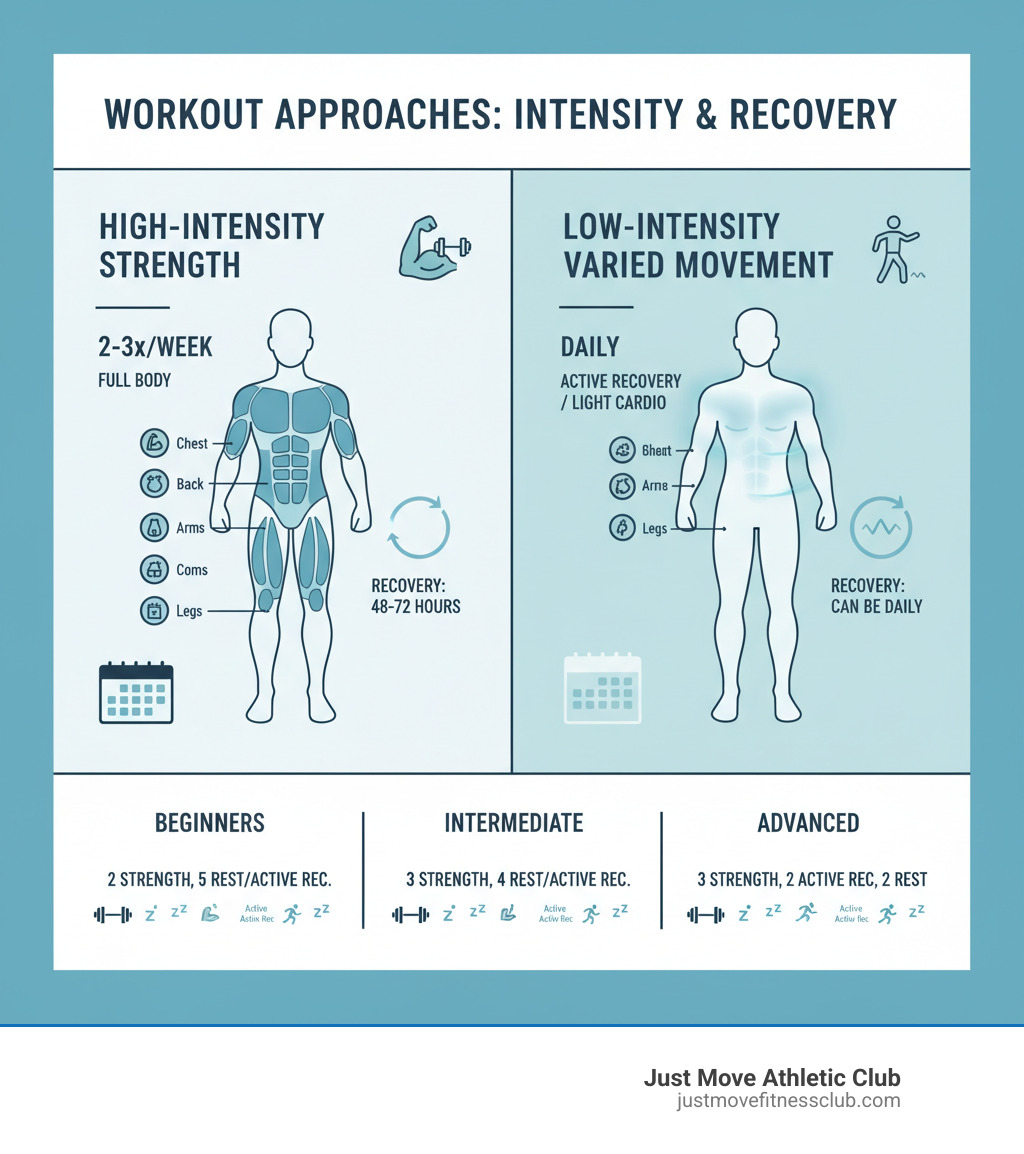
Is it ok to do full body workouts everyday? The short answer is: it depends on intensity and workout type. Daily intense strength training isn’t recommended because muscles need 48-72 hours to recover. However, daily low-intensity or varied full-body movement—like light cardio or active recovery—can be safe and beneficial when structured properly.
Quick Answer:
- Intense Strength Training Daily: Not recommended—risks overtraining, injury, and muscle breakdown
- Low-Intensity/Varied Daily Movement: Generally okay—supports recovery and maintains consistency
- Recommended Frequency for Most People: 2-3 full-body strength sessions per week with rest days between
- Key Factor: Listen to your body and prioritize recovery through sleep, nutrition, and rest days
When you catch the workout bug, the “no days off” mentality is tempting. You feel energized and want to maintain momentum. But for full-body workouts—sessions targeting all major muscle groups—the question of daily training is nuanced.
Full-body workouts are time-efficient and effective, but pushing too hard without rest risks overtraining, injury, and lost gains. Your muscles need time to repair the micro-tears created during training.
The answer hinges on workout intensity, exercise type, your fitness level, and how well you manage recovery. The American College of Sports Medicine recommends 2-3 full-body workouts per week for most people, with at least 48 hours of rest between sessions for the same muscle groups.
As Pleasant Lewis JMAC, a fitness professional with over 40 years in the industry, I’ve helped countless people find a sustainable approach. Understanding recovery and smart programming is the key to long-term fitness success, not short-term burnout.
The Allure of Full-Body Workouts: Benefits for Body and Mind
There’s a unique satisfaction in a workout that targets everything. Full-body training engages your back, chest, shoulders, arms, core, and legs in a single, efficient session. We see many people embrace this approach for its wide-ranging benefits.
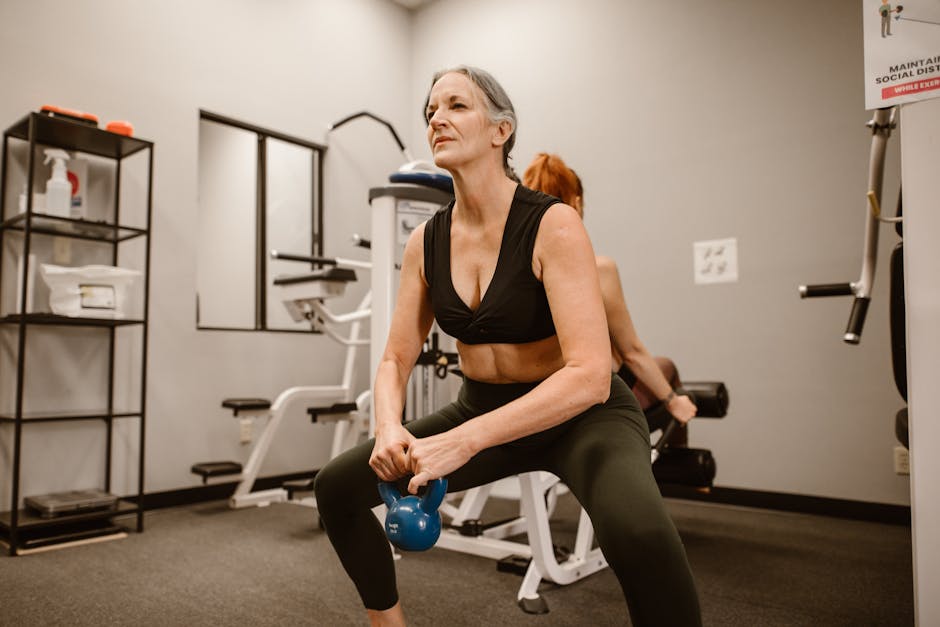
The most practical benefit is time efficiency. In a busy life, finding time for the gym is tough. Full-body workouts offer a complete training session in just 2-3 visits per week, saving you hours compared to split routines that require more days.
By activating multiple muscle groups, you achieve an increased calorie burn both during and after your workout. This metabolic boost helps you burn more calories as your body works harder to fuel and repair those muscles.
Full-body workouts are excellent for general fitness improvement. They build balanced, functional strength that helps with everyday activities like carrying groceries or playing with your kids. This is the essence of Functional Fitness: How to Train for Real Life.
Surprisingly, full-body workouts also boost cardiovascular health. Compound movements like squats and deadlifts lift your heart rate, challenging your cardiovascular system and improving endurance. Research confirms strength training is highly effective at lowering heart disease risk.
The mental health benefits are profound. Challenging workouts release endorphins, natural mood-boosters that help manage stress and anxiety. Studies confirm the positive link between exercise and reduced anxiety and depression. The discipline and sense of accomplishment from finishing a tough workout also build mental resilience that extends beyond the gym.
When members ask us “is it ok to do full body workouts everyday?” part of our answer involves weighing these incredible benefits against the equally important need for recovery. Because while full-body workouts offer so much, the intensity and frequency matter tremendously—which is exactly what we’ll explore next.
The Critical Role of Recovery: Why Daily High-Intensity Training is Risky
Your muscles don’t grow in the gym; they grow during rest. Intense exercise creates microscopic tears in muscle fibers, signaling your body to repair and rebuild them stronger. This process, called muscle protein synthesis, takes time. The muscle recovery timeline is typically 48-72 hours. Training the same muscles again before this process is complete means you’re breaking down tissue faster than your body can rebuild it.
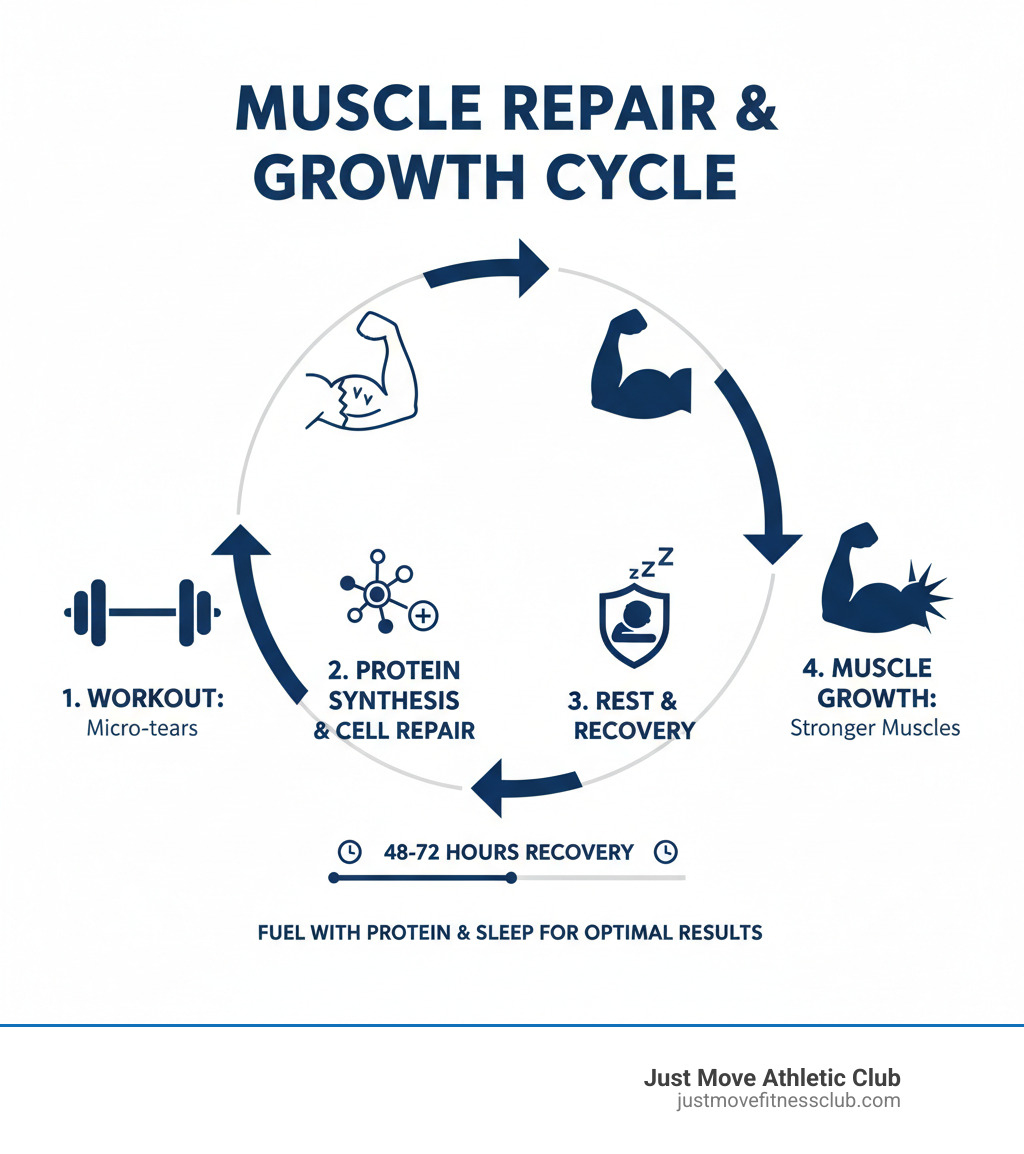
Training without adequate recovery leads to overtraining syndrome, a state of chronic fatigue where motivation and progress plummet. The risks are significant:
- Increased Injury Risk: Exhausted muscles lead to poor form, making you vulnerable to strains and sprains. Fatigued muscles can’t stabilize joints effectively.
- Performance Plateaus: Without recovery, you can’t get stronger. You’ll find yourself stuck at the same weights, unable to progress despite your effort.
- Hormonal Disruption: Chronic overtraining keeps cortisol (the stress hormone) liftd. This can suppress muscle-building hormones, increase fat storage, and negatively impact sleep and mood. We’ve seen people get better results by training smarter, not just harder.
Signs of Overtraining to Watch For
Your body sends signals when you’re pushing too hard. Learning to listen is key to avoiding burnout. Here are the warning signs:
- Persistent muscle soreness: Soreness that lasts more than 72 hours or never goes away between workouts.
- Decreased performance: Weights feel heavier than usual, and you struggle with routine workouts.
- Chronic fatigue: A deep exhaustion that sleep doesn’t fix, leaving you drained instead of energized.
- Mood swings or irritability: Feeling unusually anxious, grumpy, or quick to snap.
- Poor sleep quality: Trouble falling or staying asleep, or waking up feeling unrefreshed.
- Increased resting heart rate: A higher-than-normal heart rate first thing in the morning indicates your system is under stress.
- More frequent illnesses: Catching colds often is a sign your immune system is compromised.
If you notice several of these signs, it’s time to increase rest and reduce intensity. A qualified trainer can help you adjust your program to prioritize recovery and ensure long-term progress.
So, Is It OK to Do Full Body Workouts Everyday? The Expert Verdict

After exploring recovery and muscle growth, let’s answer the core question: is it ok to do full body workouts everyday? The answer depends entirely on workout type and intensity.
There’s a massive difference between an intense strength session and a gentle yoga flow. When fitness professionals talk about frequency, they’re primarily concerned with the importance of intensity. The ACSM physical activity guidelines recommend muscle-strengthening activities for all major muscle groups at least two days per week, ideally on non-consecutive days to allow for recovery. The distinction between strength training vs. cardio also matters, as moderate cardio can often be done more frequently than intense resistance training.
Why is it not ok to do intense full body workouts everyday?
Performing intense, full-body strength training daily backfires for several key reasons:
- Inadequate Repair Time: As mentioned, your muscles need 48-72 hours to repair. Daily sessions prevent this, leading to muscle breakdown instead of growth.
- Central Nervous System (CNS) Fatigue: Big compound lifts like squats and deadlifts are demanding on your CNS. Daily training overwhelms this system, causing mental fog and reduced power.
- Diminishing Returns: Without recovery, your body can’t adapt and get stronger, leading to frustrating plateaus. As personal trainer Jacqueline Kasen notes, daily full-body training prevents specific muscle group development.
- Increased Cortisol Levels: Constant high-intensity training keeps the stress hormone cortisol liftd, which can hinder muscle growth and promote fat storage.
To avoid these issues, a smart workout plan is essential. Learn more about How to Build a Balanced Workout Routine.
The “Yes, But…” for Low-Intensity & Varied Workouts
While daily intense strength training is a no, daily low-intensity movement is not just okay—it’s beneficial. This is called active recovery: light physical activity that promotes blood flow and reduces soreness without adding stress.
Examples include a leisurely walk, an easy bike ride, gentle stretching, or mobility work. Many people use yoga classes or light swimming as active recovery. These activities help you stay consistent and motivated, keep joints mobile, and support mental health without taxing your system.
The key is varying exercise selection to avoid overuse. If you trained your lower body yesterday, focus on upper-body mobility or a brisk walk today. This allows specific muscle groups to recover while you stay active, preventing repetitive stress.
How does frequency impact muscle growth if you do full body workouts everyday?
For muscle growth (hypertrophy), frequency is critical, but “more” isn’t always better. Daily intense training sabotages growth in several ways:
- Hindered Hypertrophy: Muscle growth requires a full cycle of damage and repair. Interrupting this with daily workouts means your hard work doesn’t translate into gains.
- Interrupted Protein Synthesis: Muscle protein synthesis, the key rebuilding process, peaks 24-48 hours post-workout. Training again too soon halts this crucial phase.
- No Progressive Overload: To grow, muscles need progressively harder challenges. If you’re always fatigued, you can’t increase weight or reps, and your progress stalls.
- Risk of Muscle Catabolism: In severe cases, your body may start breaking down muscle tissue for energy, causing you to lose mass.
The bottom line is simple: muscles grow during rest. Skipping rest means skipping the most important part of getting stronger. Respecting this principle is key to seeing real changes.
How to Safely Structure Your Full-Body Workout Week
Now that we understand the risks of daily high-intensity training, let’s build a workout week that works with your body. For most people, 2-4 full-body strength sessions per week on non-consecutive days is the sweet spot. Rest days aren’t lazy; they’re smart, allowing muscles to rebuild stronger.
The most important skill is listening to your body. Fatigue, prolonged soreness, and low energy are signals to take an extra rest day or opt for light active recovery. This is supported by two non-negotiable pillars: sleep and nutrition.
- Sleep: This is when your body repairs muscle and releases growth hormone. Aim for 7-9 hours of quality sleep nightly. As research on the link between sleep and muscle strength shows, it’s essential for performance.
- Nutrition: Food provides the raw materials for repair. Aim for 1.6–2.2 grams of protein per kilogram of body weight daily, alongside sufficient calories from whole foods. Proper nutrition is critical to Fuel Your Fitness: The Role of Nutrition in Your Workout Routine.
Sample Full-Body Workout Structures
The foundation of an effective routine is compound exercises that work multiple muscle groups at once, like Squats, Deadlifts, Push-ups, Pull-ups, Overhead Press, and Bent-over Rows.
Here’s a practical example of an A/B workout routine for non-consecutive days:
- Workout A: Squats (3×8-12), Bench Press (3×8-12), Bent-over Rows (3×8-12), Plank (3×30-60s).
- Workout B: Deadlifts (3×5-8), Overhead Press (3×8-12), Lat Pulldowns (3×8-12), Lunges (3×10-12 per leg).
A sample weekly schedule with varied intensity might look like this:
- Monday: Workout A (High Intensity)
- Tuesday: Active Recovery (Brisk walk, light yoga)
- Wednesday: Workout B (High Intensity)
- Thursday: Rest or Light Cardio (Cycling)
- Friday: Workout A (Moderate Intensity)
- Saturday: Active Recovery (Swim, stretching)
- Sunday: Full Rest Day
This approach hits all major muscles multiple times per week while ensuring recovery and varying intensity.
Full-Body vs. Split Routines: Which Is Right for You?
Both full-body and split routines are effective; the right choice depends on your goals and schedule.
Full-Body Workouts are ideal for:
- Beginners: Learn major movements and build a foundation.
- General Fitness: Excellent for overall health and strength.
- Limited Time: Achieve great results with just 2-3 gym sessions per week.
Split Routines work best for:
- Bodybuilding/Physique Goals: Allow for higher training volume on specific muscles.
- Advanced Lifters: Provide the specialization needed for continued progress.
- Higher Time Commitment: Typically require 4-6 training days per week.
A fitness professional can help you choose the approach that fits your lifestyle. Your routine can evolve as your goals change. For more on combining training styles, see Cardio, Weights, or Both? How to Mix Your Workouts for Results.
Conclusion: Finding Your Sustainable Fitness Rhythm
So, is it ok to do full body workouts everyday? The clear answer is that daily high-intensity strength training is risky and counterproductive. Your muscles need that 48-72 hour recovery window. However, daily low-intensity and varied movement is not just okay—it’s highly beneficial for long-term health.
The key to lasting results is finding a sustainable balance. Experience shows that long-term consistency beats short-term burnout every time. Success comes from listening to your body and prioritizing crucial elements like quality sleep, proper nutrition, and genuine rest days. It’s about being wise enough to swap an intense session for a walk or yoga when your body needs a break.
Fitness is a lifelong journey, not a sprint. The goal is to build a rhythm that challenges you, allows for recovery, and fits into your real life. It’s about feeling stronger and more capable, not depleted.
Ready to find your sustainable fitness rhythm? We’d love to help you design a plan that aligns with your body, schedule, and goals. Create your personalized fitness program with us. Our expert trainers and specialized tools can help you build a program that keeps you moving forward—safely and for the long haul.