
Why Core Workout Classes Are Essential for Total Body Fitness
Core workout classes offer structured, expert-led training that targets your body’s powerhouse—the muscles connecting your upper and lower body. Popular options include:
- Pilates – Low-impact focus on deep core muscles and stability
- Hot Core – High-intensity training in heated studios (100°F)
- Athletic Core Training – 30-45 minute athletic-inspired workouts
- Circuit Training – Dynamic movements with equipment like resistance bands
- Yoga Core Flow – Mind-body connection with core-strengthening poses
- Dedicated Core Conditioning – Pure abdominal and glute-focused classes
Research shows that just 20 minutes of core training three times per week can significantly increase older adults’ ability to complete normal daily tasks. Core strength training also reduces back pain and boosts spine stability.
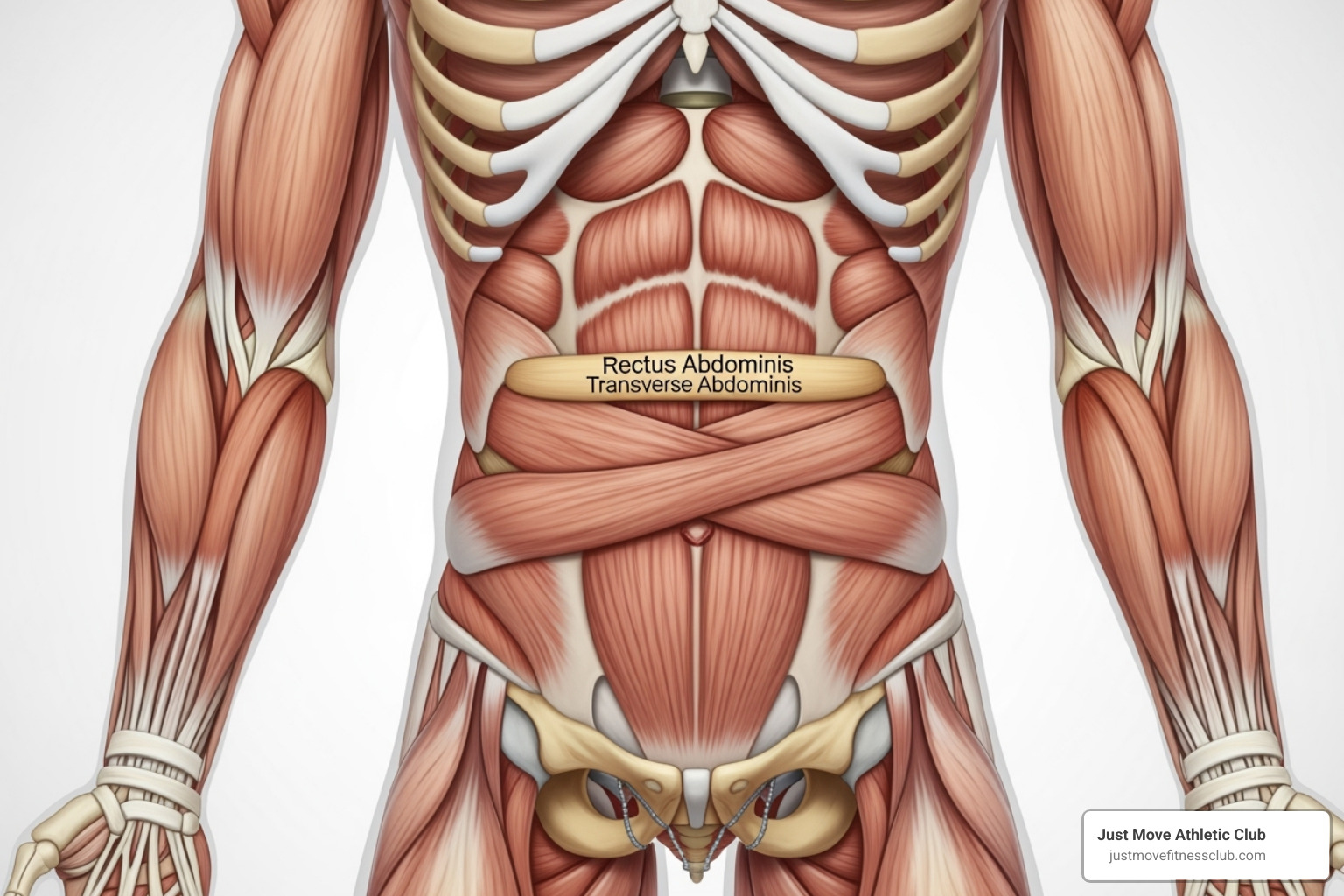
While many people want toned abs, what matters more is that a strong core improves balance, mobility, and prevents injuries—benefits that go far beyond appearance. Your core includes more than just your “abs”; it’s a system of muscles like the transverse abdominis, obliques, erector spinae, diaphragm, pelvic floor, and glutes that work together to protect your spine.
I’m Pleasant Lewis JMAC, founder of Just Move Athletic Clubs with over 40 years in the fitness industry. I’ve seen how core workout classes create the foundation for success across all fitness levels, from beginners to athletes.
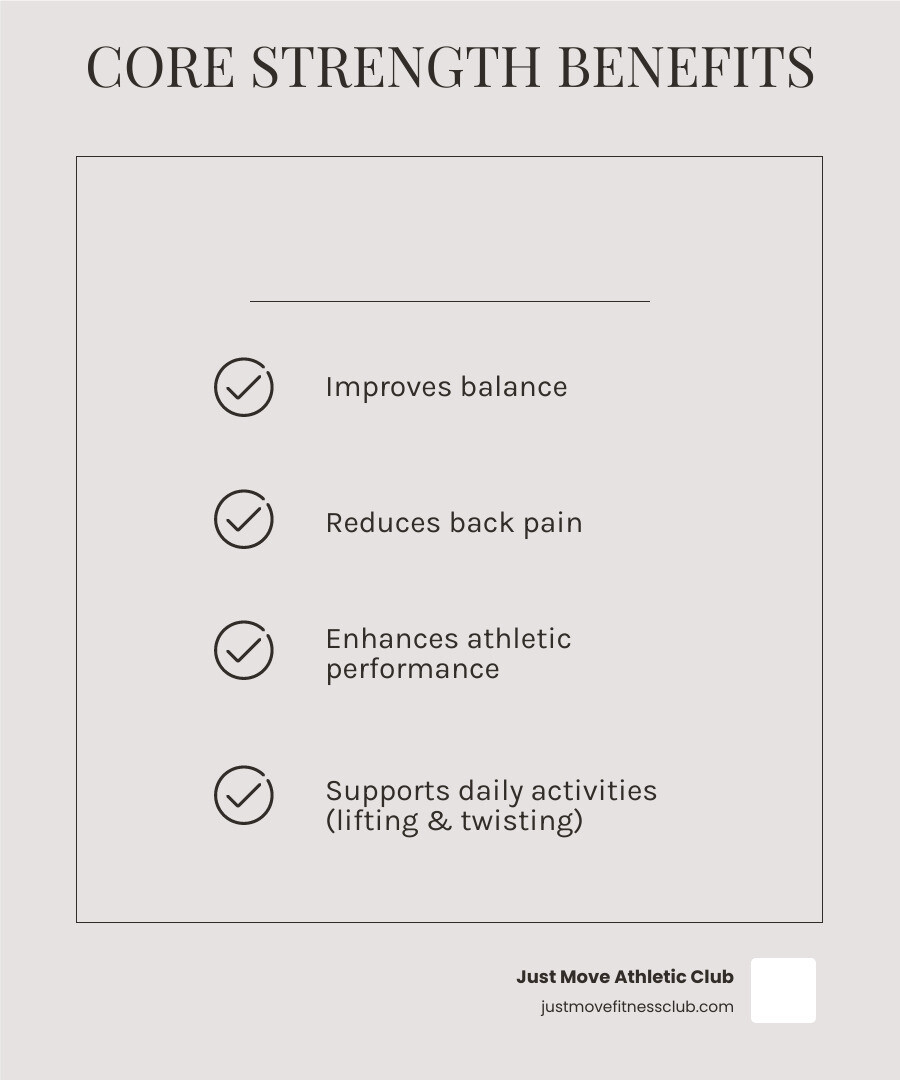
Core workout classes terms to know:
Why a Strong Core is Your Body’s Ultimate Powerhouse
Think of your core as your body’s command center. It’s the bridge connecting your upper and lower body, working to keep you stable, strong, and pain-free.
Strengthening your core in core workout classes delivers key benefits:
- Posture Improvement: A strong core naturally pulls your shoulders back and lifts your chest, helping you stand taller.
- Better Balance: Your core muscles act as a built-in gyroscope, keeping you steady on your feet.
- Injury Prevention: Scientific research on back pain relief shows a strong core dramatically reduces back pain. The transverse abdominis (your deep core muscle) and erector spinae (muscles along your spine) take pressure off your lower back.
- Improved Athletic Performance: Every powerful movement, from throwing a ball to sprinting, starts in your core. Your obliques and other core muscles transfer energy efficiently between your limbs.
- Easier Daily Activities: Carrying groceries, lifting laundry, or getting up from a chair all become smoother and less taxing.
Your core is a complex team of muscles, including the rectus abdominis (“six-pack”), transverse abdominis, obliques, glutes, and pelvic floor. Core workout classes are effective because they train these muscles to work together, building functional strength for everything you do.
Exploring Different Types of Core Workout Classes
The beauty of core workout classes is their variety. Whether you prefer high-intensity sweat sessions or mindful, controlled exercises, there’s a class style for you. Finding the right fit is key to staying motivated.
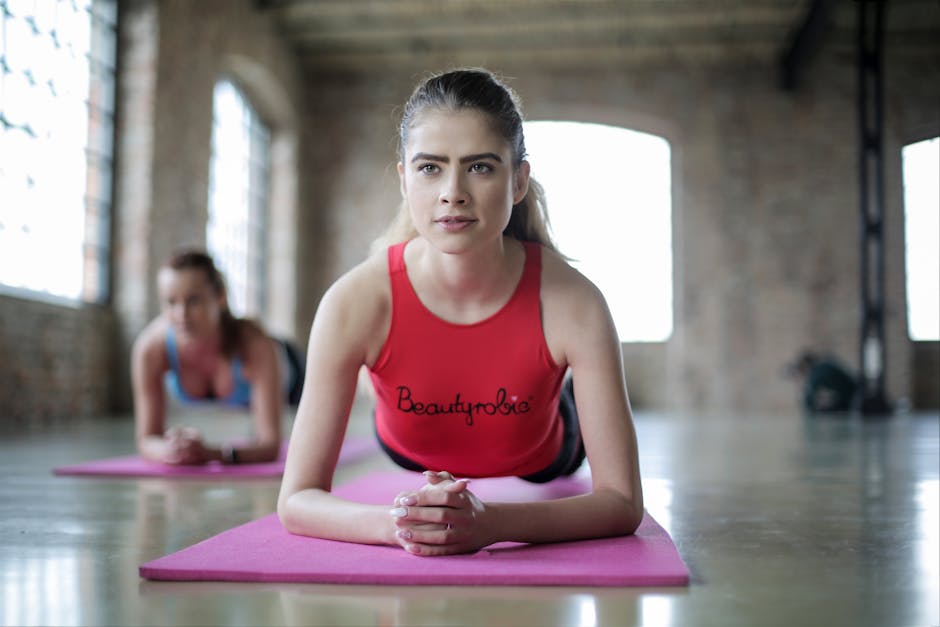
Pilates and Yoga: Focus on Stability and Control
These classes build a deep mind-body connection through controlled movements.
- Pilates takes a precise approach to core strength, using deliberate movements and intentional breathing. It targets deep stabilizing muscles like the transverse abdominis and pelvic floor, improving your body awareness and retraining movement patterns.
- Yoga uses flowing poses that require constant core engagement for balance and stability. Holding challenging poses like plank or boat pose builds incredible strength. The focus on breath and movement develops a mind-body connection while also improving flexibility.
Both are excellent for improving posture and are highly adaptable for all fitness levels.
High-Intensity & Circuit-Style Core Training
These classes combine strength and cardio for an exhilarating workout that challenges your entire body.
- HIIT core training involves short bursts of intense effort (like mountain climbers) followed by brief recovery. This method creates a significant calorie burn and demands constant core engagement to stay stable and powerful.
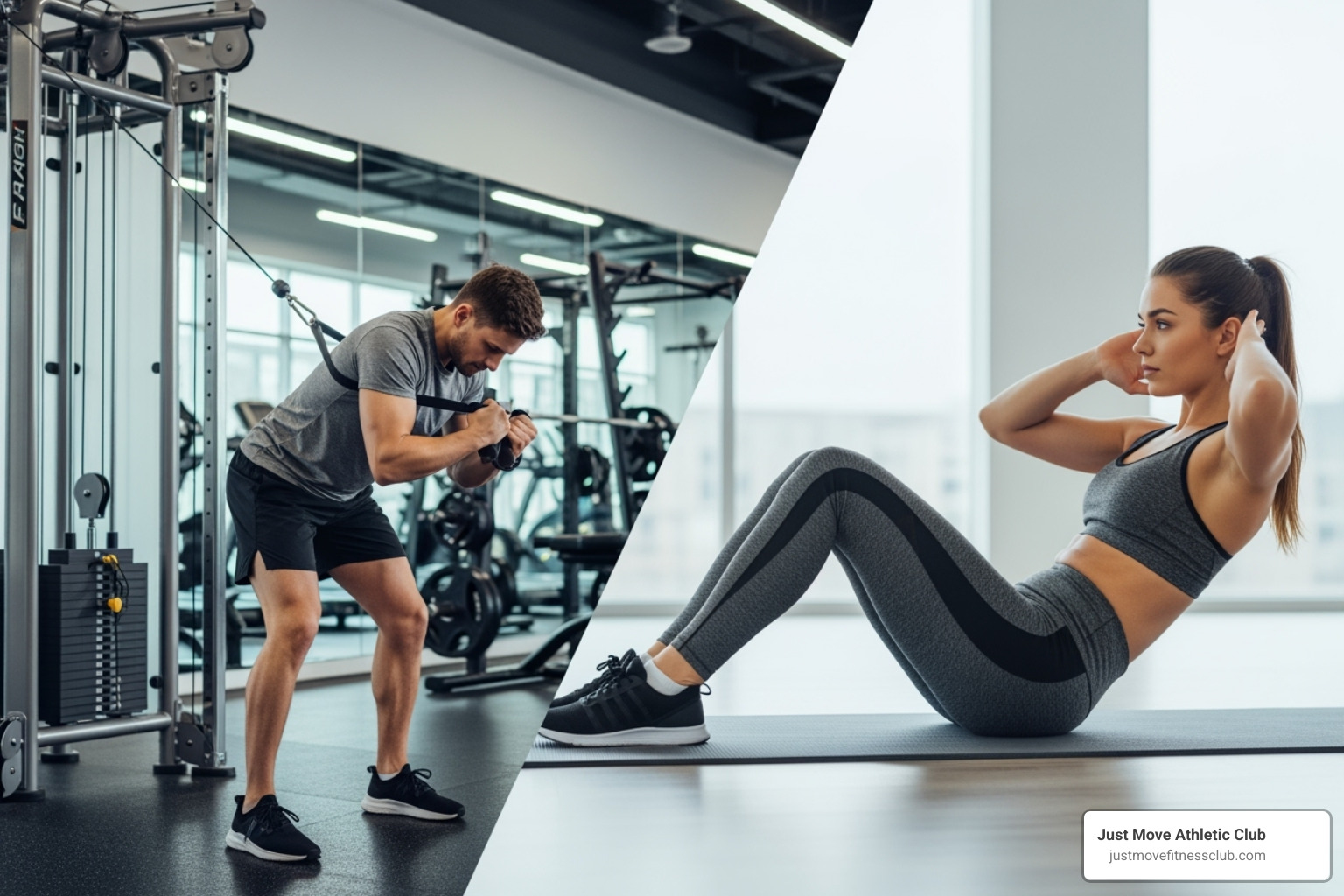
- Circuit training moves you through various exercise stations with minimal rest, targeting your core from every angle. The variety keeps your muscles guessing. You might use resistance bands, weight plates, or bodyweight exercises to build functional strength and improve coordination.
These high-energy classes are perfect for those who love variety and want to maximize their time.
Dedicated Core Conditioning
These 30-45 minute classes offer pure, concentrated core work with laser focus.
The mission is total core engagement, targeting the rectus abdominis, obliques, and deeper stabilizing muscles. Glute activation is a key component, as strong glutes support your lower back and create a stable foundation. Classes also include lower back exercises to ensure balanced strength around your entire spine.
These sessions are the perfect complement to other workouts or a powerful standalone class when you want to give your core focused attention.
Finding the Perfect Core Workout Class for You
Choosing the right core workout class is about matching your taste, energy, and goals. Honesty about your current fitness level is key, and remember: proper form beats everything else.
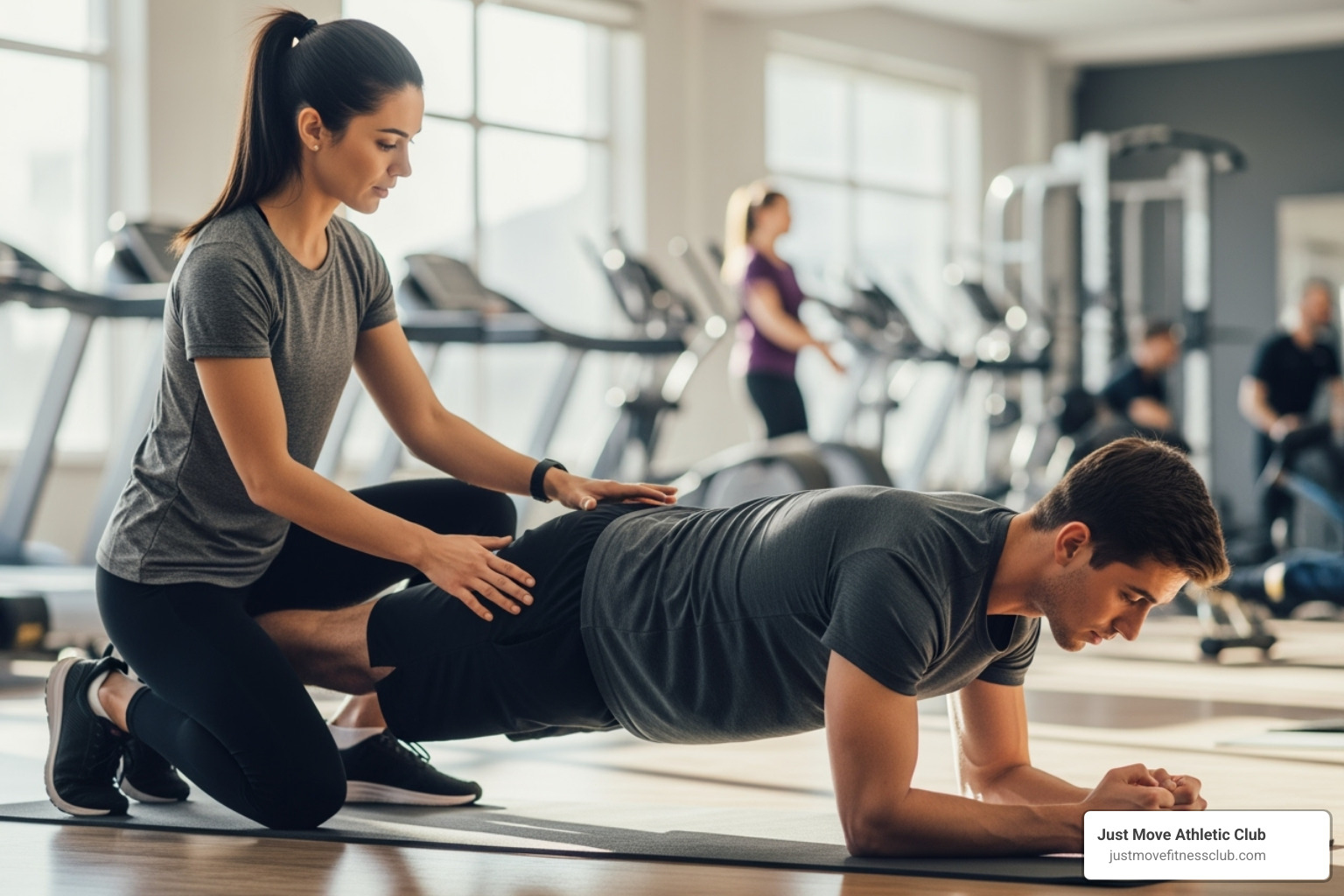
Matching a Class to Your Fitness Level and Goals
- Beginners: Start with introductory Yoga or Pilates. These classes focus on fundamentals like breathing and safe core engagement. Look for classes that mention modifications and let your instructor know you’re new.
- Intermediate: Once you’ve mastered the basics, try circuit-style core classes. They introduce more dynamic movements and light resistance to challenge you further.
- Advanced: If you thrive on pushing limits, advanced HIIT core workouts or classes with heavier weights will provide the intensity you’re seeking.
Align your class choice with your goals. For back strength and posture, try Yoga and Pilates. For functional strength for sports, circuit training and HIIT are great. For a blend of strength and aesthetic goals, dedicated core conditioning is effective.
The Anatomy of an Effective Core Workout
A great core class goes beyond crunches. It should include:
- Multi-muscle targeting: Engaging the entire core system, including deep abs, obliques, back muscles, and glutes.
- Varied movements: Incorporating rotational movements (like Russian twists) and anti-rotation exercises (like planks with arm reaches) to build real-world strength. A complete workout includes flexion, extension, and lateral flexion.
- Stability challenges: Using planks, single-leg exercises, or unstable surfaces to fire up deep stabilizing muscles.
- Progressive overload: Offering ways to make exercises harder as you get stronger, ensuring continuous improvement.
Integrating core workout classes into Your Weekly Routine
Consistency is key. Aim for a workout frequency of 2-3 times per week. This gives your muscles enough stimulus to grow stronger while allowing for recovery. Core training is a great way of complementing other workouts, making you safer and more effective in activities like running or weightlifting. On your off days, focus on active recovery like gentle yoga or walking. Most importantly, listen to your body and prioritize consistency over perfection.
Core Training Myths vs. Reality
Let’s bust some common myths about core training. After four decades in fitness, I’ve heard them all. It’s time to separate fact from fiction.
Myth: Crunches are the only way to get a six-pack.
Reality: Crunches only work one part of your core. Functional core movements that mimic real-world actions (lifting, twisting, reaching) are far more beneficial for building comprehensive strength.
Myth: Working your abs every day gets faster results.
Reality: Your abdominal muscles need time to recover, just like any other muscle. Overtraining can slow progress and increase injury risk. We recommend core workout classes 2-3 times per week.
Myth: A strong core automatically means visible abs.
Reality: Visible abs are primarily a result of a very low body fat percentage, which depends heavily on diet and nutrition. You can have an incredibly strong core without a visible six-pack. A six-pack is a vanity goal, while a strong core is a long-term health goal.
Myth: Core training is only for athletes or people with back pain.
Reality: Everyone benefits from a strong core, regardless of age or fitness level. It’s the foundation for feeling confident and capable in all your daily movements.
Frequently Asked Questions about Core Workouts
We love answering member questions about fitness, and core workout classes always spark great conversations. Here are the most common ones.
I’m a beginner, what kind of core class should I start with?
Beginner Yoga or Pilates classes are perfect for newcomers. They move at a gentler pace, emphasizing controlled movements and proper form. Look for classes labeled “foundational” or “intro.” Arrive a few minutes early to introduce yourself to the instructor; they can offer personalized modifications to help you build confidence. Quality of movement is more important than quantity when you’re starting out.
Can I do core workouts every day?
It’s tempting, but your core muscles need rest to repair and grow stronger. Overtraining your core can backfire, leading to fatigue or injury. For best results, we recommend 2-3 dedicated core workout classes per week. On your “off” days, your core is still working during daily activities. The golden rule is to listen to your body; if you’re unusually sore, take an extra rest day.
What equipment might I use in a core class?
While your bodyweight is a powerful tool, classes often use equipment to add variety and challenge. You can expect to see:
- Resistance bands: For adding gentle, joint-friendly resistance.
- Dumbbells or weight plates: To increase intensity for exercises like weighted crunches.
- Stability balls and sliders: To create an unstable surface that forces your deep core muscles to work harder to maintain balance.
- Kettlebells and resistance tubes: Used in some classes for dynamic swinging or pulling movements.
- Mats: For comfort during floor exercises.
You don’t need to bring anything. Our core workout classes at Just Move Athletic Club are fully equipped, and instructors will show you how to use everything safely.
Conclusion: Build a Stronger You from the Inside Out
Your journey through this guide reveals a key truth: core workout classes are about building the foundation that supports your entire life. A strong core means better posture, fewer injuries, improved balance, and the confidence that comes from feeling capable in your own body. It’s the root system that keeps you stable and thriving.
The beauty of core training is its variety. Whether you fall in love with the mindful precision of Pilates or the high-energy challenge of circuit training, the right choice is the one that feels right for you.
At Just Move Athletic Club, our core workout classes are designed to help you find what your body is truly capable of. Our expert instructors are here to guide you, whether you’re a beginner or an advanced athlete. We offer a wide range of options across our Lakeland, North Lakeland, South Lakeland, Winter Haven, and Havendale locations. With tools like our Fit3D Pro Body Scanner, you can track your progress as you build a strong, stable core.
A strong core foundation affects everything. You can start feeling the benefits, like improved posture and comfort, within just a few weeks.
Ready to see what a strong core can do for you? Start your fitness journey with us and let’s build a stronger, more confident you from the inside out.